

Hikikomori
By : Adele Oosthuizen -
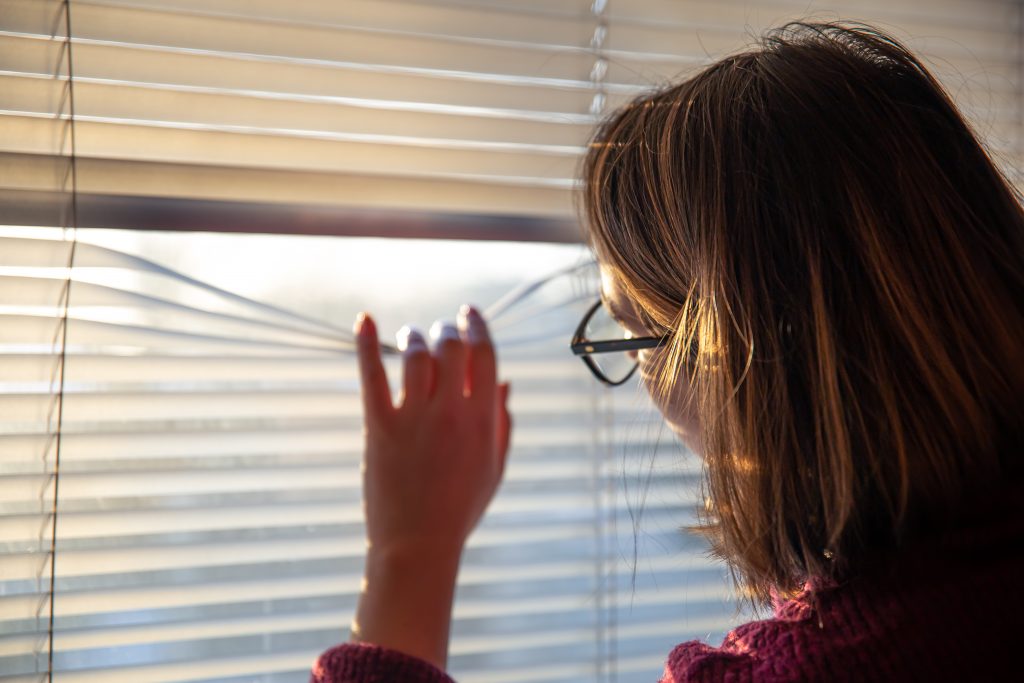
Integrating into the unknown…
The term hikikomori (derived from the verb hiki “to withdraw” and komori “to be inside”) was coined in 1998 by Japanese psychiatrist Professor Tamaki Saitõ. Saitõ chose the term to describe the many young people he saw who didn’t fit the mental health diagnosis criteria but were in a state of extreme, distressing withdrawal.
It’s normal sometimes to feel like we want to hide away from the stresses and pressures of the outside world. Short-lived withdrawal periods can reduce acute stress and help us overcome illness and exhaustion. Periods of solace and isolation can also help with critical phases of development – such as exploring one’s identity during adolescence.
But some people don’t re-emerge from natural periods of isolation. Instead, they show extreme and persistent withdrawal lasting for decades, causing distress to themselves and those who care for and support them. In Japan, this pattern of behaviour is so common that it’s now known as “hikikomori”.
“Hang in there!” I say to everyone amid this crazy year following some intense Covid-19 times. Last year I tiptoed into 2021 but soon decided to expectantly embrace the year with open arms and a heart full of hope and inspiration. By March ’21, however, I could sense the heaviness of Covid fatigue those struggling to cope with never-ending change and uncertainty.
As much as I missed interacting with people in the “real world”, we now meet and find ourselves awkwardly guessing how to greet each other. Do we shake? Do we hug..? Crazy, I know, right? But it’s a real phenomenon. There is even a campaign in the US promoting wristbands in green, yellow and red to signal to others whether we are open to a hug, prefer an elbow bump, or for others to keep their distance.
It’s now October 2022, almost the end of another year. Looking back, I must say that the last two years have been hard. Like many others, I, too, contracted the dreaded virus along the way. (No hugs allowed, twice!) Covid-19 has changed many things – and to some extent, continues to do so. Admittedly, I miss the sense of time slowing and spent with loved ones at home. And sometimes, this ambivert still wants to give in to the urge to hibernate in my home bubble where there is at least some sense of safety and control. I am to use to my space that it has become harder to go out, network and socialise. Interestingly, that has been most of the conversations with many of my clients – there is a social integration challenge in the workplace.
Dion Chang, a trend analyst at Flux Trends, wrote an article about “The Isolationists”. It is a new tribe of people created through the pandemic, preferring the solitude of lockdown. He states that FOMO (fear of missing out) has never been a problem for them; instead, they have FOGO (fear of going out). Not only for fear of the pandemic and new variants but also a fear of the unknown, potential job loss, and unpredictable social disruption – all things that could increase the risk of persistent social withdrawal and detachment from others.
He also refers to Dr Arthur Bergman’s phrase “cave syndrome”, which describes their desire to stay and work from home and prefer socialising online. This cave living, the comfortable isolation and becoming incognito, could become addictive and breaking out of the cycle is difficult. Some could even think their lives are meaningless, without significance or value, so their misery continues to spiral.
In conjunction with this, expert psychologists observe the rise of the “The Incognitos”, a subset of this phenomenon. This tribe is not afraid of going out but intends to wear their mask even after the pandemic protocol. The mask has created a psychological barrier that could help ease their social anxiety, gives some emotional freedom, and relieves the pressure and evaluations of their emotions or who they are. Dr Susan Albers, a Cleveland Clinic psychologist, explains that superheroes wear masks to keep their anonymity. Likewise, wearing masks makes us bolder, allows us to step out of our comfort zones, and adopt more non-traditional roles.
Where does this leave us?
Many say that our social muscles have changed and that we are re-evaluating the nature of our personal and professional relationships. I think we can safely say that, in one way or another, we are all subconsciously doing a “life audit” and various trauma responses are visible like fight, flight, freeze, and fawn from people coping with cumulative stress.
When my cousin passed away, my life was irrevocably changed. I remember thinking it strange how life seemed to carry on as if nothing ever happened. I went to her memorial service feeling confused and sad; I wanted to lock myself away from the world’s demands and mourn my loss. But a few days later, I had to return to work and resume my everyday life. I saw customers, worked on my dissertation, prepared the kids for school, consoled grieving family members, and did what needed to be done… the world kept turning despite how I felt.
Life carried on.
I cannot help but feel a sense of déjà vu. Collectively we’re weighed down by so much tragedy, sadness, loss, upheaval, uncertainty, and volatility to contend with, and yet again, we are expected to show up and carry on.
I, for one, am exhausted!
And I am not the only one. Two and a half years into the pandemic, we see business leaders that expended so much energy commiserating with people and taking on their problems that they have precious little self-compassion left to cope with their own losses. According to psychologists, empathy fatigue is taking its toll on many of us. We don’t seem to realise that our ability to relate to and care for others is a limited resource and that when we drain our empathy account, we can end up feeling pretty damn miserable.
So, as we adjust to this new sense of normal, can we at least attempt to stop this pendulum swing?
Like my little daughter Imke, can we celebrate our friends’ beautiful toothy smiles? Or, like my son Ehrik, appreciate that his teachers had to relearn their names because they have not seen their students’ faces without masks for more than two years? We need to unlearn to relearn many “new” things.
Can we also acknowledge those that hide away in fear – or from habit – and extend a wholehearted invitation to re-join life? And can we also recognise that life is really, really hard for some and still show up for ourselves and each other…?
Stop for a moment, take a deep breath, and appreciate that everyone is facing their unique challenges? Can we acknowledge that some find comfort in hiding behind “masks” and need time to integrate and adjust to life’s new challenges? And can we also recognise that showing up for ourselves and others (as complex or messy as it might be!) is what ultimately makes the difference?